
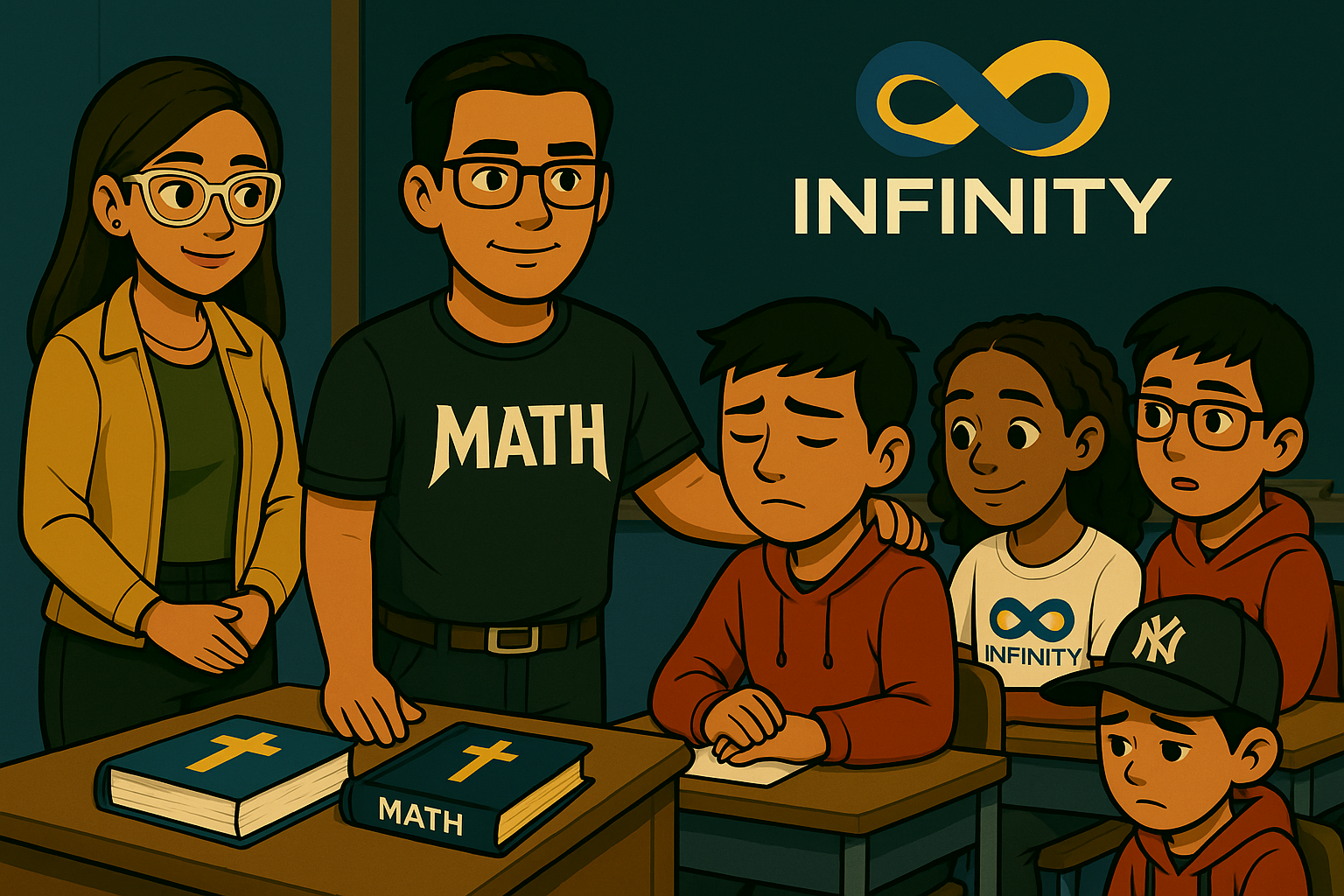
Teachers as Anchors in Chaos
When tragedy strikes, students look to teachers. Not for answers to the tragedy itself, but for stability. The truth is, our role as educators begins long before the crisis. We prepare students by teaching them how to stay calm, think clearly, and make smart decisions in emergencies.
If there’s a fire, a fight, or even the unthinkable — hearing gunshots — the first step is not panic. It’s a breath. A fraction of a second to gather yourself and choose wisely. Teachers model this. If we stay calm, students learn to stay calm. If we break down, they will too.
Why Lowering Expectations Fails
In hard times, the instinct is to “go easy” on kids. But that instinct can do more harm than good. School should not be suspended emotionally just because life is hard.
Think about it: parents still have to go to work after tragedy. Bills still come. Responsibilities don’t pause. If kids learn to retreat every time life hurts, they won’t have the resilience they need as adults.
Instead, school should be a refuge — a place where the mind can escape grief and focus on something meaningful. Math, art, sports — these are not “extra” during tragedy. They are essential tools of healing.
God in the Classroom
They say you can’t bring God into schools. I say God is already there. He’s in the courage of the teacher, the resilience of the students, the truth of mathematics.
Being a teacher doesn’t mean you’re a preacher. But it also doesn’t mean you hide your faith. Having a Bible on your desk, displaying an inspirational verse, or sharing honestly how you pray for strength — these are not acts of evangelism. They’re acts of authenticity.
Students don’t need sermons. They need to see adults who find strength in God and truth. That truth might come from Scripture, or from the consistency of math itself — a subject that reflects order, reason, and, ultimately, the nature of creation.
A Call to Teachers
During heartbreaking times, your responsibility is greater than ever. You must be the calm when the storm rages. You must show students that life continues, that learning matters, and that faith provides strength.
You don’t need to be perfect. You don’t need to be unshakable. You just need to be present, to hold expectations high, and to show kids by your example that the path forward is always through — never around — the pain.